
Exchange Convert vs DEX Swap: What’s the Difference? Try Convert Crypto On WEEX!

 Prefer us on Google



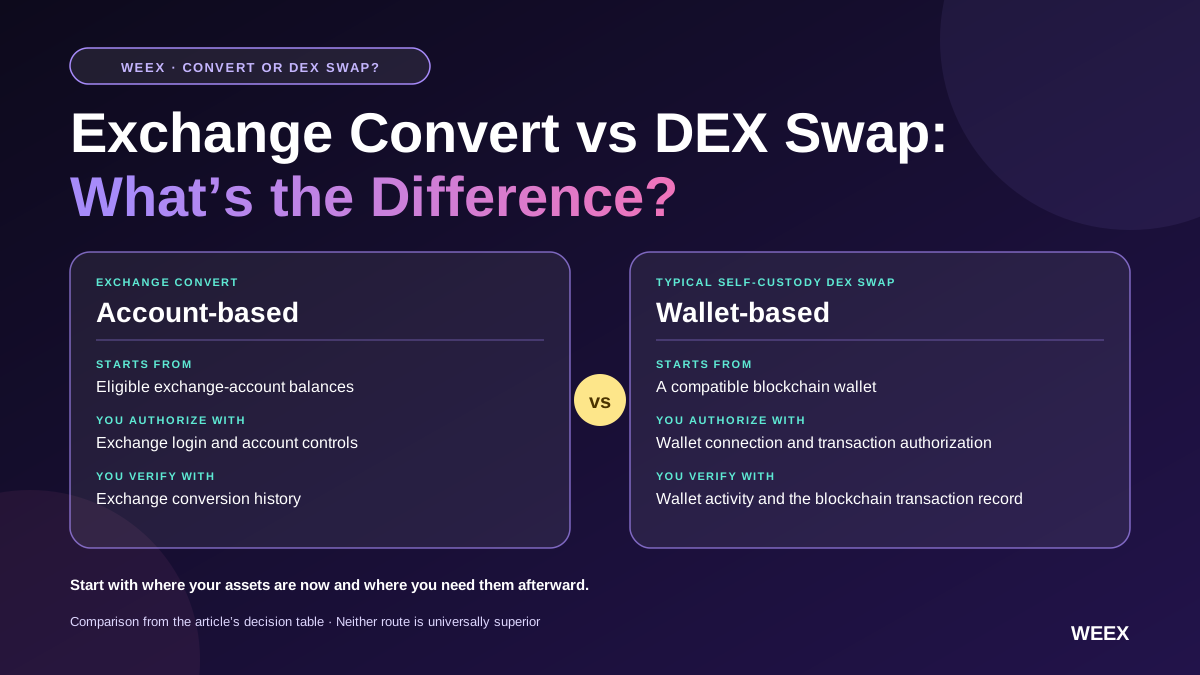
Exchange Convert changes supported assets within a centralized exchange account, while a DEX swap typically exchanges tokens through blockchain-based protocols using a compatible wallet. Both can help you exchange one asset for another, but they differ in custody, permissions, network requirements, fees, and how you verify completion. The better choice starts with where your assets are now and where you need them afterward.
At WEEX, we recommend choosing the workflow that fits the task rather than assuming “decentralized” always means cheaper or “simple” means less transparent. If your assets are already in your exchange account and you want an account-based conversion, Convert can reduce operational steps. If you need assets in a self-custody wallet for onchain use, a DEX may serve a different purpose.
Why “Convert” and “Swap” Can Be Confusing
The word “swap” does not identify a single execution method. An exchange may use it to describe account-based conversion, while a wallet may use it for a transaction routed through a decentralized protocol.
That is why comparing crypto convert vs swap requires looking beyond the button label. Ask where the assets are held, what you are authorizing, and where the receiving asset will appear.
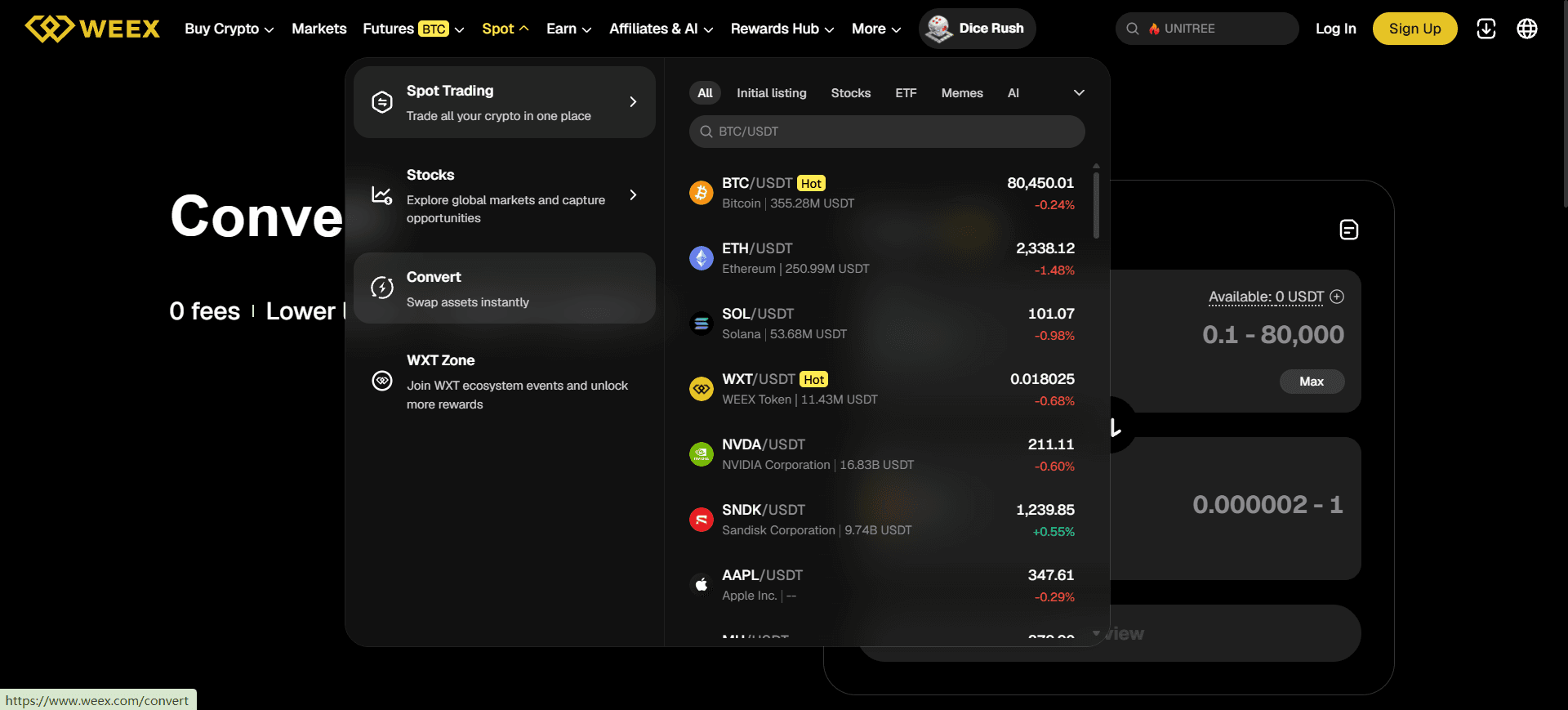
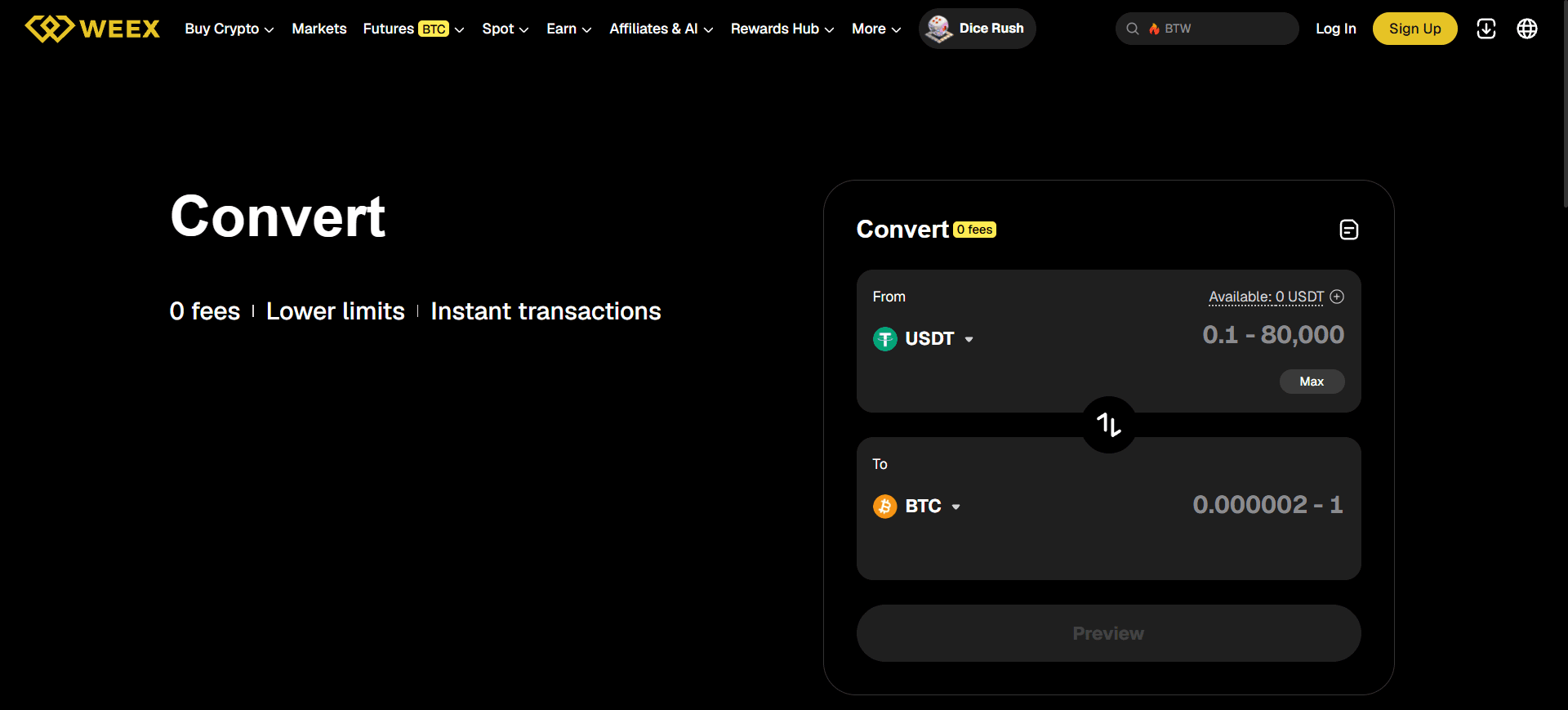
WEEX Convert provides an account-based conversion experience. You select supported assets, review the quote, and submit the conversion within WEEX. You do not connect an external wallet or approve a blockchain contract as part of that account-based flow.
A typical DEX swap starts from a wallet. The user selects a network and tokens, reviews the proposed transaction, and authorizes the necessary wallet actions. The result is recorded on the relevant blockchain.
Some wallet interfaces combine swaps, bridges, and other routes behind one screen. A simple-looking interface therefore does not necessarily mean a simple underlying transaction.
Exchange Convert vs DEX Swap at a Glance
The clearest distinction is the relationship between the user, the assets, and the execution system. Exchange Convert operates within the exchange’s account environment; a typical self-custody DEX swap involves wallet-controlled interaction with an onchain protocol.
| Comparison Area | Exchange Convert | Typical Self-Custody DEX Swap |
|---|---|---|
| Asset location before execution | Eligible exchange-account balances | A compatible blockchain wallet |
| User access | Exchange login and account controls | Wallet connection and transaction authorization |
| Custody model | Exchange custody | Wallet-based self-custody, with protocol permissions where required |
| Asset availability | Assets supported by the conversion service | Tokens and routes supported on the selected network |
| Pricing review | Conversion quote and receiving amount | Route, estimated output, price impact, slippage settings, and costs |
| Completion record | Exchange conversion history | Wallet activity and blockchain transaction record |
| Main operational responsibility | Account security and quote review | Wallet security, token verification, network selection, and permissions |
These differences do not make either route universally superior. They show why two users trying to obtain the same asset may need different workflows.
Where Are Your Assets Held?
Custody describes who controls the keys or account infrastructure used to hold and move assets. It is a fundamental distinction, not just a technical detail.
With a centralized exchange, users access balances through an account. The exchange manages the underlying custody infrastructure. Account access, withdrawals, and product availability remain subject to the platform’s controls and applicable requirements.
With a self-custody wallet, the user controls the credentials that authorize blockchain transactions. That gives the user direct responsibility for wallet access and security. Losing access credentials, signing a malicious request, or sending assets incorrectly can have consequences that are difficult or impossible to reverse.
A DEX does not eliminate every form of reliance. Users still depend on the protocol’s contracts, the selected network, available liquidity, and sometimes a routing or interface provider.
The practical question is not simply, “Do I trust an exchange or a wallet?” It is, “Which responsibilities am I prepared to manage for this particular transaction?”
-- Price
What Changes When You Use a DEX?
A DEX swap is usually more than selecting two asset names. The network, token identity, permissions, and execution route can all affect the outcome.
Network Selection Determines What You Can Use
A wallet balance exists on a particular network. Having an asset on one network does not automatically make it available to a DEX operating on another.
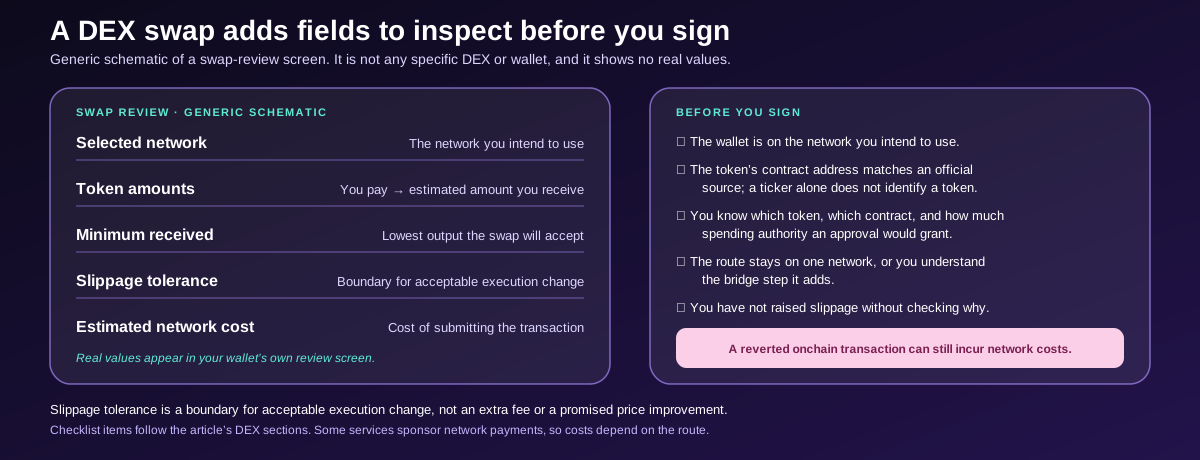
Before swapping, verify that the wallet is connected to the intended network and that the service supports the asset there. A familiar ticker alone is not sufficient to identify a token. Where applicable, check its contract address against a reliable official source.
An account-based Convert service handles asset selection within its supported product environment. That does not mean it bridges assets between networks on the user’s behalf.
Connecting a Wallet Is Not the Same as Approving Spending
A wallet connection generally lets an application identify the wallet address and request interactions. It is not the same action as granting a contract permission to spend a token.
Some token swaps require an approval before execution. Depending on the implementation, users may encounter an onchain approval transaction, a signature-based permission, or a combination of steps. These permissions should be reviewed rather than accepted automatically.
Read what is being requested, which token is involved, which contract receives permission, and how much spending authority is being granted. A signature without a network fee can still authorize a consequential action.
The Route May Contain More Than One Step
A swap interface may route through one pool, several pools, or another supported execution mechanism. Some services also combine a swap with a bridge or other action.
Review the route when it is available. If it crosses networks, the process is no longer only a same-network token exchange. It may introduce additional fees, settlement time, and bridge-related dependencies.
How Do the Fees Differ?
Exchange Convert and DEX swaps can expose costs in different ways. Comparing them fairly requires looking at the whole journey, including any steps needed to move assets into position before the exchange.
WEEX Convert charges no separate conversion fee. However, the offered rate can differ from spot-market prices, so the payment and estimated receiving amounts remain essential review points.
For a DEX transaction, potential costs depend on the protocol, network, interface, and route. They may include:
- Network costs for submitting transactions.
- Liquidity-provider or protocol fees.
- An interface or routing fee, where applicable.
- Separate approval, withdrawal, or bridging costs needed for the chosen journey.
Not every route applies every cost, and some interfaces sponsor or abstract network payments. That does not justify a blanket claim that DEX swaps are gas-free.
An onchain approval may also be a separate paid transaction. Signature-based permissions can work differently. Users should inspect the actual wallet request rather than assume all approvals have the same cost structure.
Compare From the Same Starting Point
Suppose your assets are already in an exchange account. Comparing the Convert quote with a DEX’s displayed output alone leaves out the cost and work of getting assets into a wallet.
If your assets are already in a self-custody wallet, the reverse is true. Moving them to an exchange can involve a blockchain transfer, deposit processing, and later withdrawal if you ultimately need them back onchain.
A fair comparison therefore uses this question:
After every necessary step, how much of the intended asset will I have in the location where I actually need it?
This avoids treating an attractive intermediate quote as the final outcome.
What Are Price Impact and Slippage?
Price impact and slippage are related but different. Price impact describes how your trade affects the execution price available through a liquidity source. Slippage describes a difference between the expected and actual execution outcome.
On a liquidity-pool DEX, a larger trade relative to available liquidity can materially change the effective price. A liquid-looking token name does not guarantee deep liquidity in every pool or on every network.
Slippage tolerance sets a boundary for acceptable execution changes in supported swap workflows. It is not an additional fee, a promised price improvement, or an amount that will necessarily be lost.
Increasing the tolerance may make execution possible under a wider range of conditions, but it can also permit a worse outcome. Raising it repeatedly without understanding the cause of failure is not a sound substitute for checking liquidity and the route.
A quote-based exchange conversion uses a different review process. Focus on the displayed quote and its validity conditions; do not assume that a DEX’s slippage setting has an identical counterpart in an account-based Convert product.
What Happens If the Exchange Fails?
Failure can mean different things in an exchange account and on a blockchain.
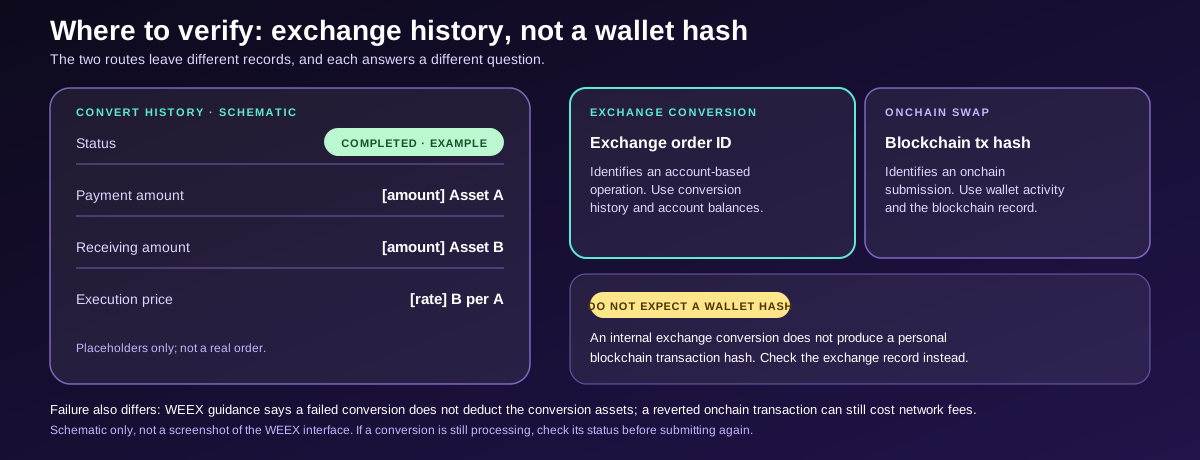
The WEEX product guidance states that a failed conversion does not deduct the conversion assets. If an order is still processing, users should check its status before submitting another request.
For an onchain swap, distinguish between a request rejected before broadcast and a transaction that was submitted but reverted during execution. A reverted transaction can still incur network costs because network resources were used, even though the intended token exchange did not complete.
A pending transaction also requires care. Repeatedly initiating new swaps without checking earlier submissions can create multiple outstanding actions.
The right response is to identify the status first: not submitted, pending, failed, or completed. Then use the appropriate account record or blockchain transaction details to decide what to do next.
Which Route Fits Your Situation?
Start with your asset location and intended use. Those two facts often narrow the choice more effectively than comparing product labels.
Your Assets Are Already on WEEX
If you want to exchange supported account balances and keep the receiving asset in WEEX, WEEX Convert is a relevant option to inspect.
Review the quote and supported limits. There is no need to introduce an external wallet solely because another interface calls its exchange function a “swap.”
Your Assets Are Already in a Self-Custody Wallet
If you need the receiving token for an onchain application on the same supported network, a DEX swap may fit the task more directly.
Check token identity, liquidity, contract permissions, and transaction costs. The suitability comes from the intended onchain use—not from an assumption that decentralization guarantees a better rate.
You Need a Different Network
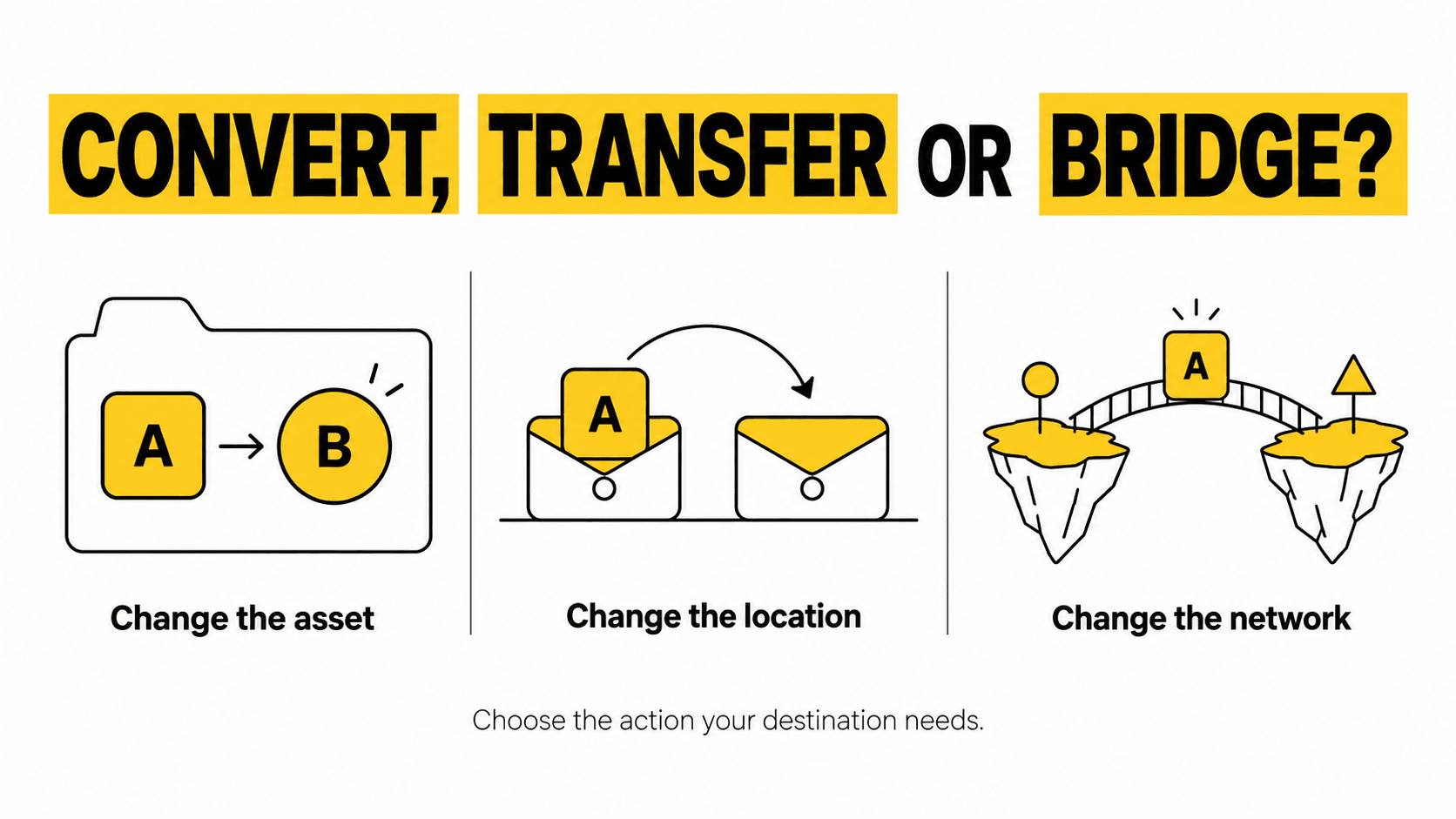
First determine whether you need a transfer, a bridge, or another supported route. Changing the asset and changing its network are separate requirements, even when an interface combines them.
Do not assume WEEX account-based conversion changes a token’s withdrawal network. The network available for a later withdrawal must be checked separately.
You Want the Lowest Total Cost
Compare complete routes for the same amount at approximately the same time. Include access costs and the destination of the final asset.
Neither “zero conversion fees” nor “low pool fee” settles that comparison on its own.
How Do You Verify Completion?
For an exchange conversion, use the conversion history and resulting account balances. For an onchain swap, use wallet activity and the relevant blockchain transaction record.
These records answer different questions. An exchange order ID identifies an account-based operation; a blockchain transaction hash identifies an onchain submission. You should not expect every internal exchange conversion to produce a personal blockchain transaction hash.
For WEEX navigation, quote review, and record-checking instructions, refer to our official Convert tutorial.
WEEX Editorial View: Choose the Asset Journey, Not the Button Label
We recommend account-based Convert when it solves an account-based task: exchanging supported balances after reviewing a quote. A DEX can be appropriate when self-custody and onchain access are genuine requirements.
The important distinction is responsibility. Exchange conversion requires account and quote awareness. A self-custody DEX workflow adds network, wallet, permission, and contract checks.
Choose the route that delivers the right asset to the right place with costs and authorizations you understand. That is a stronger decision than treating either “Convert” or “Swap” as an automatic endorsement.
FAQ
1. Is Exchange Convert the Same as a DEX Swap?
No. Exchange Convert generally operates within an exchange account. A typical DEX swap is an onchain exchange authorized through a compatible wallet.
2. Do All DEX Swaps Require Users to Pay Gas Directly?
No. Some services sponsor or abstract network payments. However, many swaps and approval transactions involve network costs, so check the specific route.
3. Does Connecting a Wallet Allow a DEX to Spend All My Tokens?
Wallet connection and token-spending approval are different actions. Review every subsequent approval, signature, and transaction request carefully.
4. Can a Failed DEX Swap Still Cost Money?
Yes. A transaction that is submitted and reverts can still consume network resources and incur network costs. A request rejected before submission is a different situation.
5. Does WEEX Convert Bridge Assets Between Networks?
WEEX Convert is an account-based asset-conversion service. Do not treat conversion as a blockchain bridge or assume it determines the network for a later withdrawal.
Recommended Article:
This content is provided for general informational purposes only and doesn't constitute financial, investment, legal, or tax advice. Any events, rewards, online promotions, or related information mentioned herein should not be considered a recommendation, solicitation, or invitation to purchase, sell, trade, or otherwise deal in any crypto assets. Crypto assets are highly volatile and may result in loss. The availability of WEEX services, products, and related events may vary by region. You are responsible for ensuring that your participation is in accordance with applicable local laws and regulations.
You may also like
Crypto Convert vs Transfer vs Bridge: Which Action Do You Need?
Crypto Convert vs Spot Trading: Which Should You Use On WEEX?
What Is Crypto Convert and How Does It Work? Try Crypto Convert On WEEX Now!
What Is a Limit Order? How It Works and When to Use It
Best Crypto Wallet for Beginners 2025: Pick by What You Will Do
How to Buy USDT With NGN via Bank Transfer on WEEX?
WEEX API Key Setup: Permissions, IP Binding and Key Limits

How to Call a Crypto Exchange API Without Getting Blocked
WEEX Crypto Gift: The Perfect Gift for Every Crypto Lover in 2025
WEEX Exchange Review: A Complete Guide for Beginners
Bloom Crypto Bot Wallet Drains: What Happened and What Users Should Check
How to Use WEEX Bubbles: A Practical Guide to Crypto Bubbles and Market Trends
SK Hynix Stock Before Q3 Earnings: Special Dividend Reports, HBM4 and What Investors Want to See on October 28
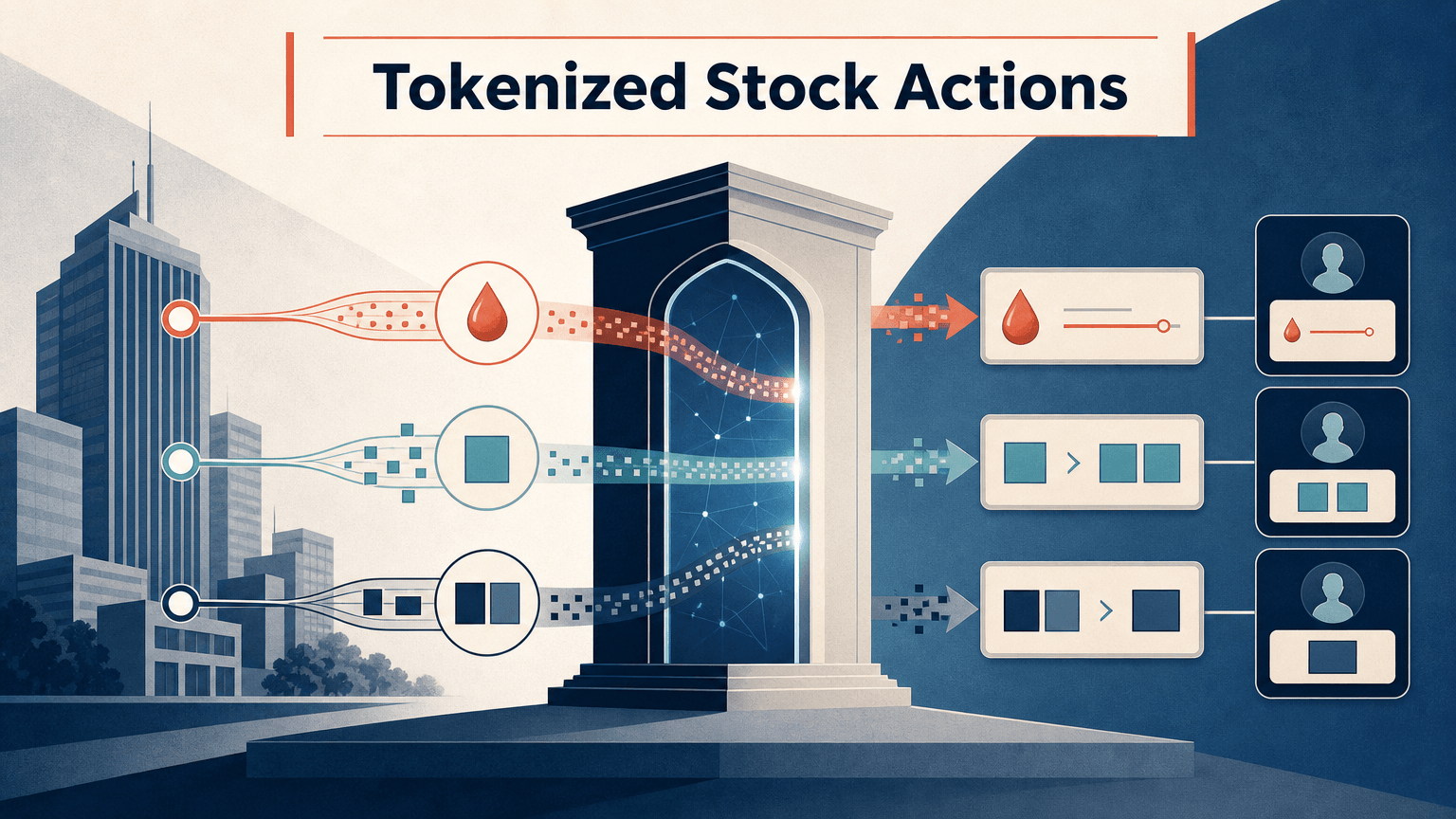
Corporate Actions for Tokenized Stocks: How Dividends, Splits and Mergers Are Handled
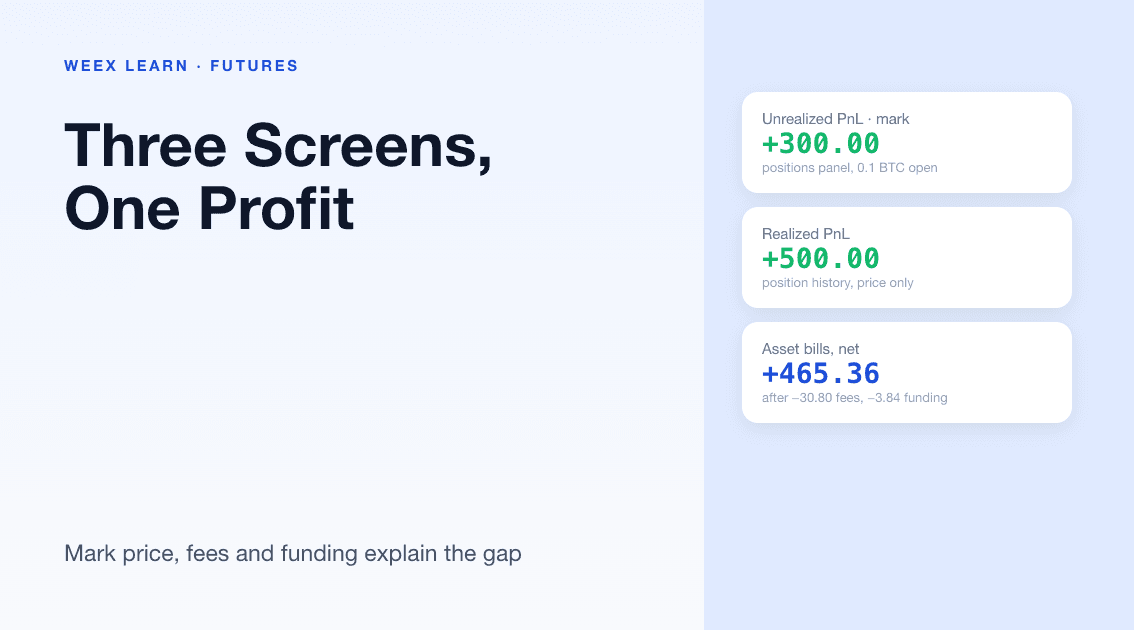
WEEX Futures PnL: Why Your Three PnL Numbers Rarely Match
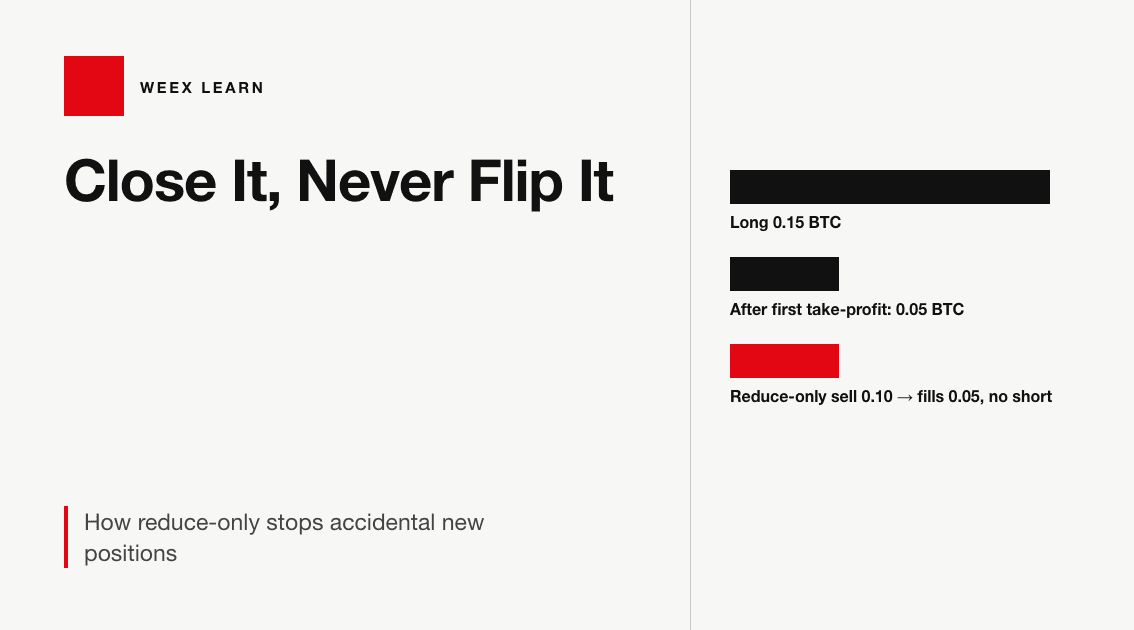
WEEX Reduce-Only Order: What It Does and When It Gets Cancelled
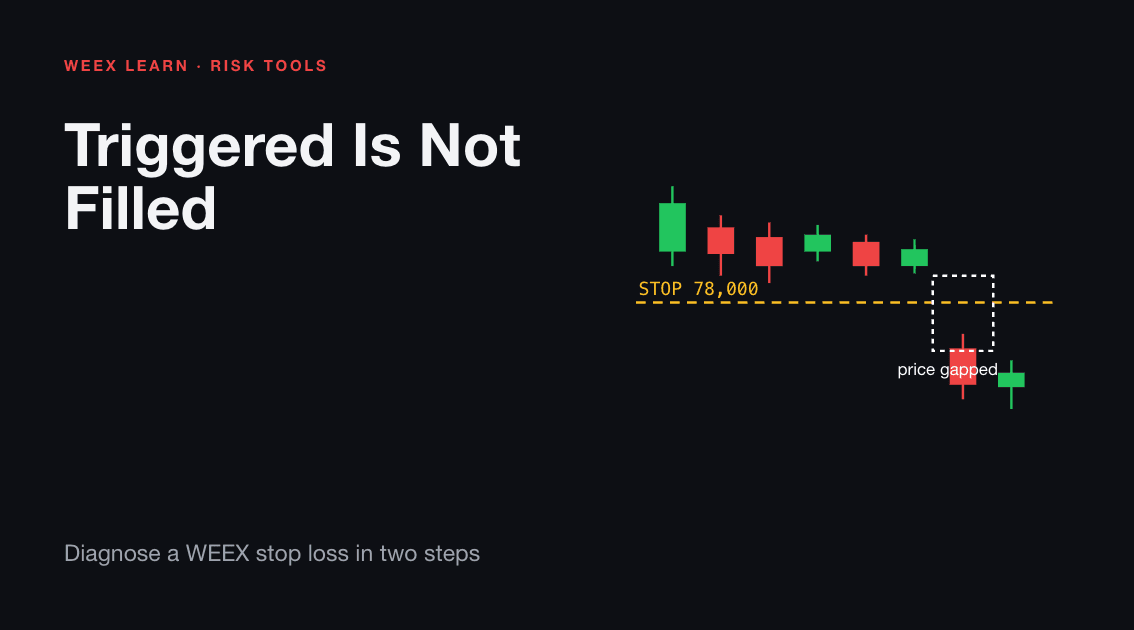
WEEX Stop Loss Not Triggered? Check the Trigger, Then the Fill
WEEX Funding Fee Explained: Rate, Countdown, Records and Math
WEEX Trading Pair Suspended or Delisted? Your Orders and Assets
WEEX Order History: How Orders, Fills and Fees Fit Together
WEEX Minimum Order Size Errors Explained With Rounding Examples
Cancel WEEX Spot Order: What Returns to Your Balance and When
WEEX Limit Order Not Filled? Read the Book, Then Fix the Order
How to Spot Trade on WEEX: From Pair Choice to a Confirmed Fill
Your Auto Earn Floor: Why Your Lowest Balance Sets the Day's Pay
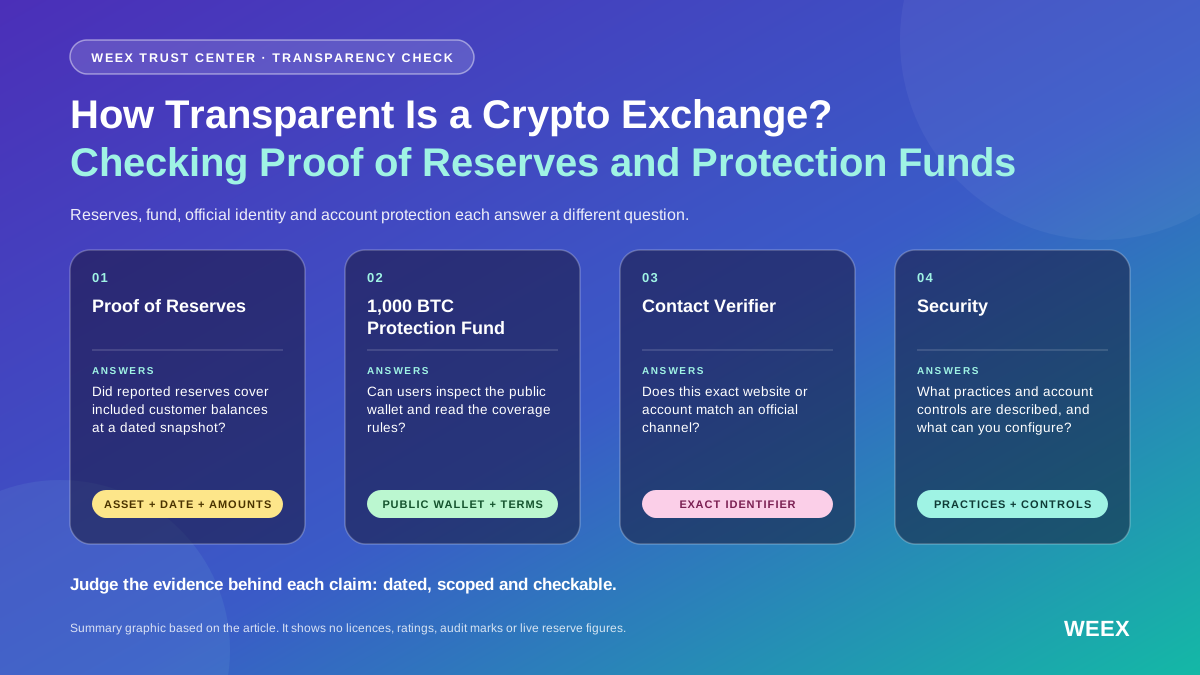
How Transparent Is a Crypto Exchange? Checking Proof of Reserves and Protection Funds On WEEX Trust Center
HTX (Huobi) Russia Restrictions: Who Is Affected and What to Check

Is United States Dividend Fund (USDF) Legit? What Website Checks and Reddit Actually Show
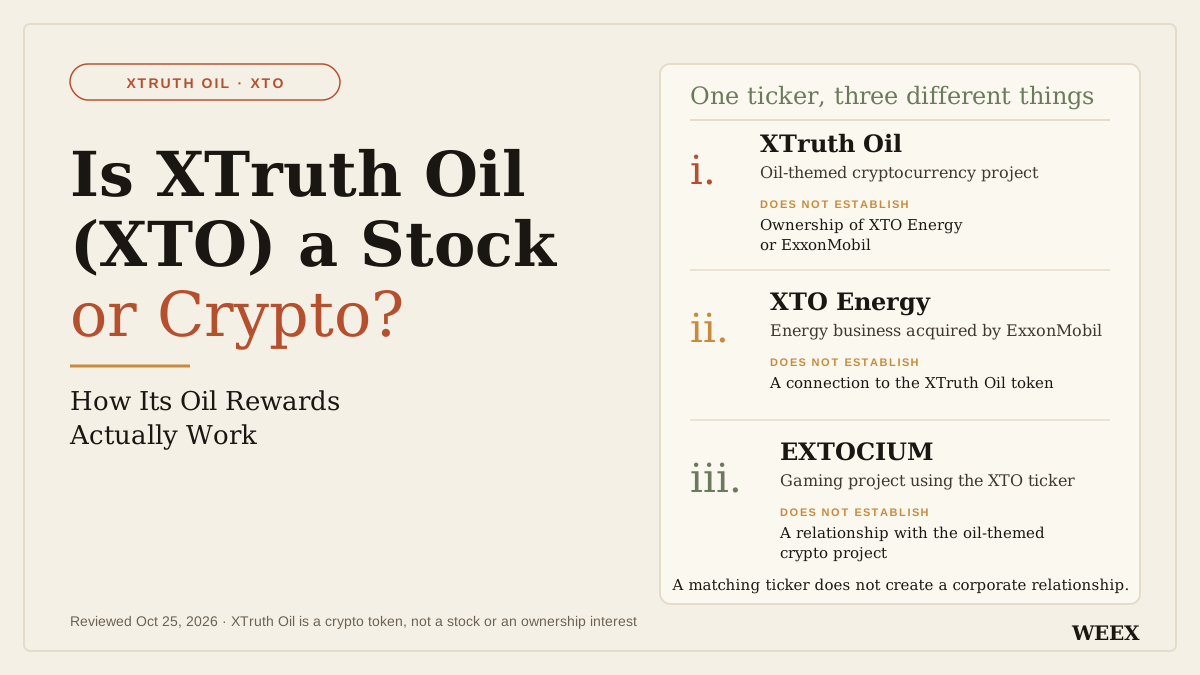
Is XTruth Oil (XTO) a Stock or Crypto? How Its Oil Rewards Actually Work
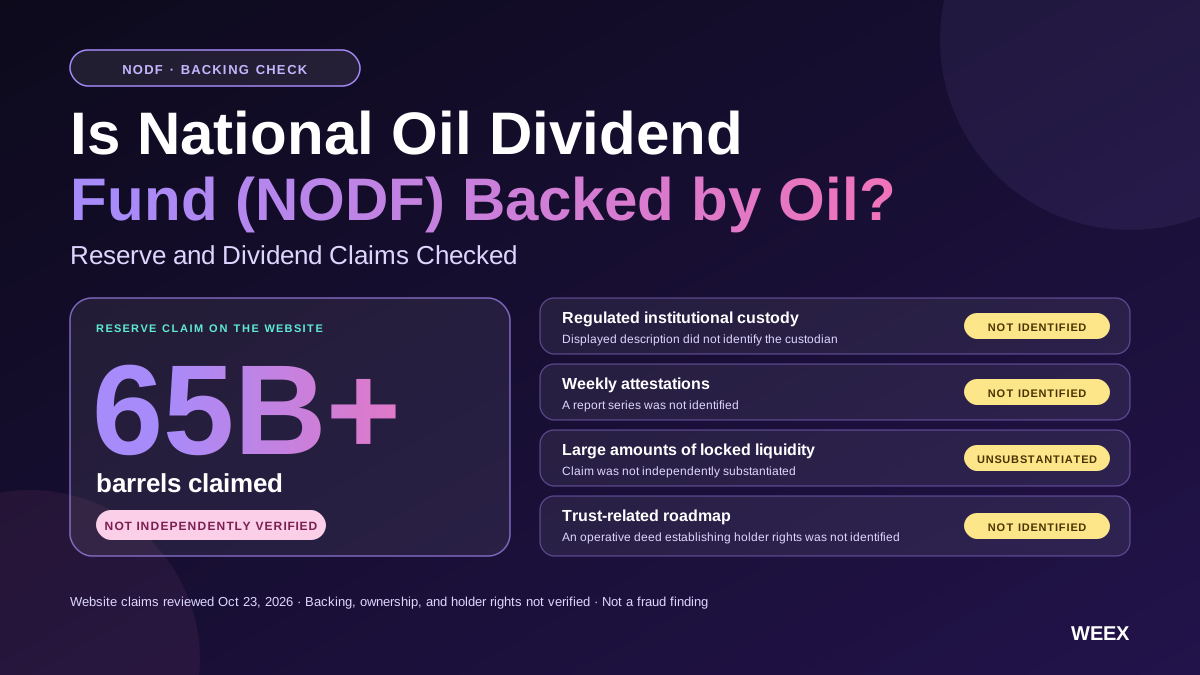
Is National Oil Dividend Fund (NODF) Backed by Oil? Reserve and Dividend Claims Checked
Crypto Convert vs Transfer vs Bridge: Which Action Do You Need?
Crypto Convert vs Spot Trading: Which Should You Use On WEEX?
What Is Crypto Convert and How Does It Work? Try Crypto Convert On WEEX Now!
What Is a Limit Order? How It Works and When to Use It
Best Crypto Wallet for Beginners 2025: Pick by What You Will Do
How to Buy USDT With NGN via Bank Transfer on WEEX?
Contents
Popular coins
Latest articles


