
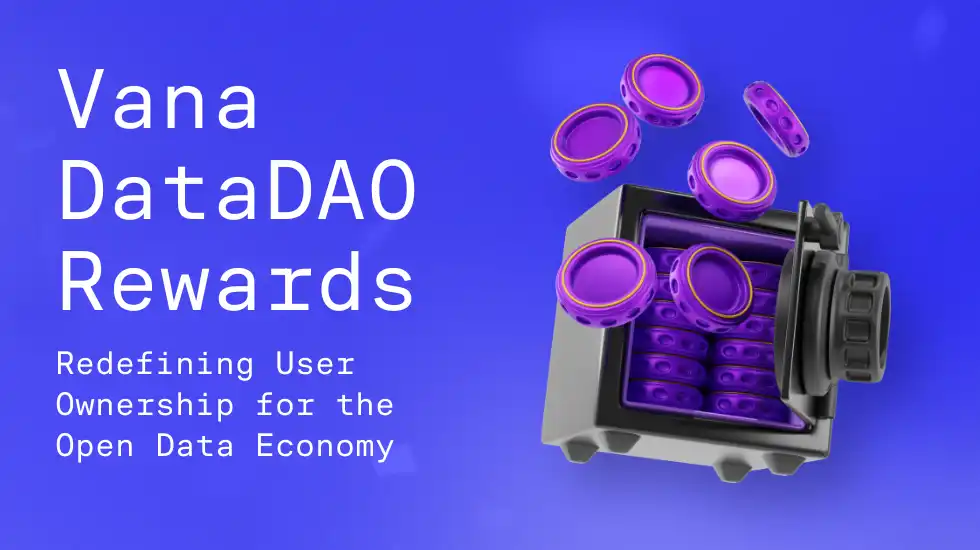
Vana DataDAO Rewards: Redefining User Data Ownership in the Open Data Economy

With data becoming a core pillar of the digital economy, the way data is collected, priced, and shared is facing a transformation. Centralized Web2 platforms are good at data aggregation, but they deprive users of data ownership and prevent them from sharing the value created by their data.
At Vana, we have subverted this traditional model through the DataDAO reward system. This community-driven system not only incentivizes high-quality data contributions, but also ensures fair distribution of data value.
DataDAO rewards are a periodic program that rewards the top 16 DataDAOs every 21 days based on community input and data quality. DataDAOs are the cornerstone of the Vana ecosystem. These decentralized organizations aggregate specific data contributed by users onto the blockchain, allowing users to jointly own, manage, and monetize their data through AI and other applications.
The community supports their favorite DataDAOs by staking VANA tokens, ensuring that the best datasets and contributors continue to be recognized and rewarded.
Let’s take a deeper look at how DataDAO rewards work, the core principles behind them, and how users can participate to shape the future of data together.
Principles of DataDAO Rewards in the Vana Ecosystem
1. Data Liquidity Unleashes Value
A single piece of data has limited value, but when aggregated into a larger network, its value grows exponentially. Vana’s DataDAO ecosystem leverages this network effect through data aggregation, which is embodied in:
· When a single user contributes to multiple datasets, it enriches the insights of the entire ecosystem.
· When multiple users contribute to the same dataset, it increases the depth, accuracy, and usefulness of the data.
This superimposed value will not only benefit data contributors, but also data buyers and developers who build applications on the platform, thus achieving a win-win situation for the entire network.
2. Community-led data pricing
Web2 platforms have long monopolized the data pricing process, and price setting is opaque and unilaterally determined by the platform. Vana has completely changed this situation through a community-driven approach. Staking VANA tokens is not just for rewards, but also a vote of confidence in the quality and practicality of a DataDAO's data.
This mechanism transforms data pricing into a transparent and dynamic process that truly reflects user desires and network needs, ensuring fairer returns for all participants.
3. Competition drives innovation
Every 21 days, the DataDAO ranking is re-evaluated, and only the top 16 DataDAOs are eligible for rewards. This competitive mechanism is critical to maintaining high standards. DataDAOs must continuously innovate, validate, and optimize their datasets to remain competitive.
The end result is a market where the best datasets stand out, and contributors are incentivized to create the most valuable and reliable datasets.
Note: The current cap of 16 DataDAOs that can be awarded is designed to ensure competitiveness and focus. This structure may be adjusted as the network continues to grow.
DataDAO Rewards: Overview of System Operations
Below is an overview of the rewards mechanism at the time of Vana Mainnet launch, and these mechanisms may be dynamically adjusted in the future based on actual conditions.
Reward Distribution
15% of the total VANA token supply is reserved for DataDAO rewards, which will be distributed gradually over three years. For each DataDAO, the rewards are distributed as follows:
· 50% is allocated to VANA stakers who support the top 16 DataDAOs.
· 50% is allocated to the DataDAO treasury to fund operations, incentivize data contributions, or increase staking rewards.
Staking Reward Multiplier
To encourage long-term commitment, the system introduces a staking multiplier mechanism:
· The longer the staking period, the higher the return multiplier.
· After 63 consecutive days of staking, the multiplier will reach the upper limit.
This mechanism will increase the user's staking weight in the reward calculation, thereby achieving alignment of interests between the staker and DataDAO.
Flexible Unlocking Mechanism
· Users can unstake at any time, but must comply with the 7-day withdrawal period.
· Unstaking will reset the user's multiplier, but all rewards already received will not be affected.
Top 16 DataDAOs
The selection process is cyclical and community-driven at its core:
· Community Voting: Community members stake VANA tokens to the DataDAOs they support.
· Ranking Determination: At the end of each cycle, the top 16 DataDAOs will be rewarded based on the total amount of stake.
· Reward Distribution: Rewards will be distributed based on the participants’ stake and multiplier ratio for each DataDAO.
This mechanism ensures that only the highest quality and most trusted datasets are rewarded, driving continuous improvement and innovation.
How to Participate in the DataDAO Ecosystem
Joining Vana’s DataDAO ecosystem is simple and rewarding. Whether you are a data contributor, staker, or supporter committed to advancing the decentralized data network, there is a role for you.
Step 1: Explore the Data Hub - Your Gateway to DataDAO Rewards
With the launch of Mainnet, Vana is launching the new Data Hub - a comprehensive dashboard where users can view all registered DataDAOs eligible for rewards.
The Data Hub is a platform to enter, understand, and interact with the Vana ecosystem:
· View currently available datasets.
· Learn about contributors and their data verification mechanisms.
· Compare the performance and ranking of different DataDAOs.
This transparency provides users with clear information to make informed decisions about which DataDAO to stake VANA tokens on.
Step 2: Stake VANA Tokens
Once you have selected a DataDAO of your choice, you can stake your tokens to show your support. This is not only a recognition of the DataDAO’s data quality, but also a reward for the user if the DataDAO enters the top 16. Please note:
· The longer you stake, the higher the staking reward multiplier, maximizing your rewards.
Work with others to help DataDAOs reach the minimum staked threshold of 10,000 VANA to qualify for rewards.
Step 3: Track and Optimize
Users can use the Data Center Dashboard to monitor staked amounts, multiplier growth, and performance of their selected DataDAO in real time. If they find that their selected DataDAO is close to the top 16, they can call on more community members to support it and help it maintain its ranking.
Step 4: Earn and Reinvest
When a DataDAO that a user supports is rewarded, their share will be distributed based on the staked amount and the reward multiplier. Users can also choose to reinvest their earnings to further increase their impact and returns in future cycles.
Towards a New Era of Data Ownership
The DataDAO Rewards System is more than just a reward mechanism, it is an important cornerstone of Vana's vision of building an open, decentralized, user-owned data economy. By combining community governance, competition, and transparency, this system provides an alternative to the opaque, centralized data system in Web2.
For data contributors, stakers, and data buyers, this system represents a fairer and more efficient way to unlock the value of data. As the ecosystem continues to grow, so will the opportunities for innovation, collaboration, and shared success.
For a deeper understanding of the details of Vana’s staking and rewards mechanism, please read Vana’s full documentation.
「original source」
You may also like

Champion's Final Bow: FC Barcelona vs Real Betis – Celebrate the Title with a Home Finale

Best Oil Trading Platform for Crypto Users in 2026
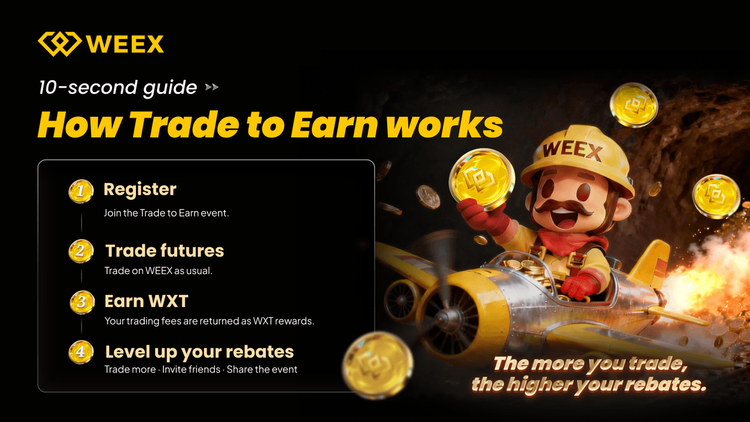
5 Futures Trading Strategies Smart Traders Use to Cut Crypto Fees and Boost Futures Returns
What Is TradFi? How Crypto Traders Can Now Access Crude Oil, Gold, and Global Markets

How WEEX Bridges Crypto and Football: A Deep Look at the LALIGA Partnership Inside the WEEX App
WEEX is not just a LALIGA sponsor. It’s a true partner. From iPhone Dynamic Island to LALIGA-themed app icons and smart posters, see how WEEX brings football passion into every trade — and builds a real bridge between crypto and sports.

FC Barcelona vs Real Madrid Preview: El Clásico – Can Barça Clinch the Title at Spotify Camp Nou?
FC Barcelona vs Real Madrid El Clásico match preview for May 11, 2026. Barça need just 1 point to win LALIGA. Can Madrid delay the trophy? Full preview inside.

At the Stripe conference, I saw the future of the AI economy

Miners welcome a new life

Seven Important Judgments by Claude Code's Founder at the Sequoia Conference

The payment moment of AI agents: Who will become the Stripe of the machine economy?

Morning Report | MoonPay acquires Solana's execution layer DFlow; Strategy releases Q1 financial report; Manta Network announces the termination of Manta staking program

Rented Tracks: What is this wave of stablecoin FX hot money really paying for?

Dialogue Velocity Eric: What is the stablecoin track that the CFO really wants?

Strategy should have said that selling coins is not ruled out

How MegaETH Achieved a TVL of 700m Within a Week of TGE? Analyzing the Packaging Strategy
Futures Trading Hours: Trade Cryptocurrency 24/7 and Earn Back Up to 45% in Trading Fees
Learn futures trading hours and the best time to trade crypto futures. Discover 24/7 market insights, peak trading sessions, and how to earn back up to 45% in fees.
Why is a16z Crypto raising another $2.2 billion to heavily invest in Web3?
Polymarket Underlying Algorithm Explained
Champion's Final Bow: FC Barcelona vs Real Betis – Celebrate the Title with a Home Finale
Best Oil Trading Platform for Crypto Users in 2026
5 Futures Trading Strategies Smart Traders Use to Cut Crypto Fees and Boost Futures Returns
What Is TradFi? How Crypto Traders Can Now Access Crude Oil, Gold, and Global Markets
How WEEX Bridges Crypto and Football: A Deep Look at the LALIGA Partnership Inside the WEEX App
WEEX is not just a LALIGA sponsor. It’s a true partner. From iPhone Dynamic Island to LALIGA-themed app icons and smart posters, see how WEEX brings football passion into every trade — and builds a real bridge between crypto and sports.
FC Barcelona vs Real Madrid Preview: El Clásico – Can Barça Clinch the Title at Spotify Camp Nou?
FC Barcelona vs Real Madrid El Clásico match preview for May 11, 2026. Barça need just 1 point to win LALIGA. Can Madrid delay the trophy? Full preview inside.


