
Here are five of the latest Y Combinator-incubated crypto projects.


Since the issuance of coins before Trump took office and a series of tariff actions, the cryptocurrency market has been in a continuous decline. However, against this backdrop, stablecoins and cross-border payment tracks have been witnessing emerging new projects and noteworthy discussions. This article by BlockBeats outlines the latest batch of startups related to the cryptocurrency field from Y Combinator's recent program, W25, with four of them being related to payment or stablecoins, for readers' reference.
Related Reading: "Why Did $900 Billion Evaporate from the Crypto Market While Stablecoin Market Cap Hit a Historic High?"
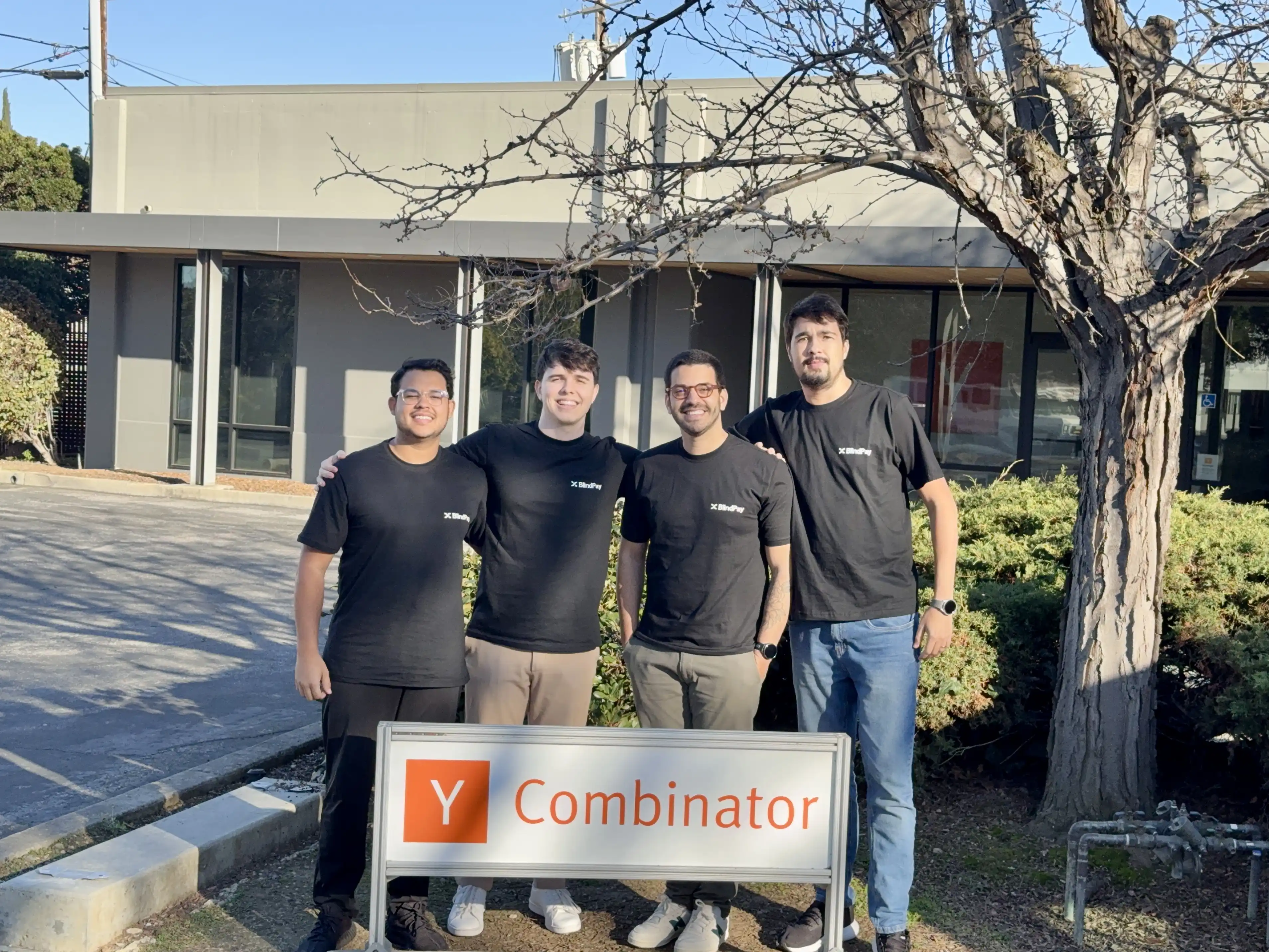
BlindPay
BlindPay is a stablecoin payment gateway that helps businesses achieve global fund sending and receiving through fiat, stablecoins, and multiple blockchain networks. BlindPay takes care of all complex compliance and regulatory requirements, allowing businesses to focus on their core operations.

BlindPay offers fiat payment gateway integration, allowing developers to easily integrate it into their applications with minimal code. Its SDK supports various programming languages and frameworks and is backed by a developer-friendly REST API with a publicly available OpenAPI documentation. BlindPay is compatible with multiple blockchains and major stablecoins and can directly integrate with local payment systems such as Mexico's SPEI, Brazil's Pix, Colombia's PSE, and Argentina's Transfers. The platform provides separate sandbox and production environments, with unique API keys and webhook support, and enables real-time payment tracking and transaction monitoring.
The founding team includes Bernardo Simonassi, who previously developed the first stablecoin-based payroll platform and worked on instant payment solutions at PicPay; Joao Borges, a founder of a large blockchain startup in Brazil and a contributor to the Nouns DAO ecosystem, listed on the Forbes 30 Under 30 list; Gabriel Lyra, who handled financial infrastructure at LendingClub and infrastructure optimization at AWS; and Gustavo Marinho, focusing on Latin American financial products, who worked on loan markets and instant payments at PicPay and founded Dropull.
Infinite
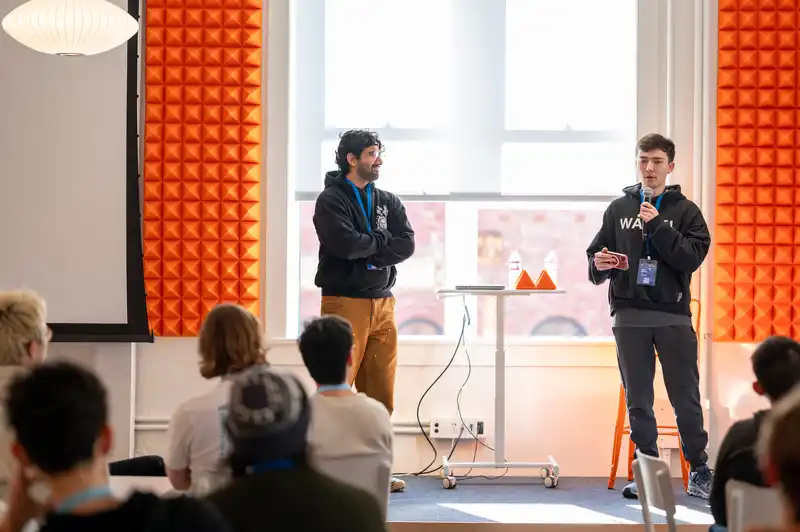
Infinite is a stablecoin payment processing platform that offers ready-to-use APIs and SDKs for enterprises to achieve global instant fund transfers at a significantly lower cost than traditional solutions.

Infinite collaborates with startups and mid-sized enterprises in global payments, contractor payouts, and financial management across various sectors. Its services include creator economy payments, helping platforms reduce payment costs and increase payment success rates; global payroll payments, expanding coverage and optimizing tax compliance; cross-border payments in the logistics industry, expediting settlements and reducing fees; e-commerce platform payments, providing low-cost payment solutions for global sellers and service providers; new banking in emerging markets and SME banking, supporting stablecoin asset management and global remittances; and the esports and gaming industry, offering instant local withdrawal options.
The founding team includes Nikhil Srinivasan, Co-founder and CEO of Infinite, who previously served as the Head of Product at Sardine and Coinbase platforms. Raj Lad, Co-founder and CTO of Infinite, previously served as the Head of Payment Technology at Sardine, leading global stablecoin payment and credit risk flow products.

Karsa
Karsa is a stablecoin digital bank serving emerging markets, where users can deposit funds via local payment methods, buy USD stablecoins, deposit funds into a U.S. bank account for savings, and spend globally at any location using a Visa card.

For users, the experience is similar to that of a bank, but behind the scenes, Karsa provides liquidity by interfacing with a network of validated peer-to-peer stablecoin traders, where user deposits are effectively paid out to these traders.
The founders are Shahryar Hasnani, who previously served as BD for an Ethereum infrastructure startup, and Dale Wilson, who served as the lead developer for an AI blockchain protocol on a Layer 1.
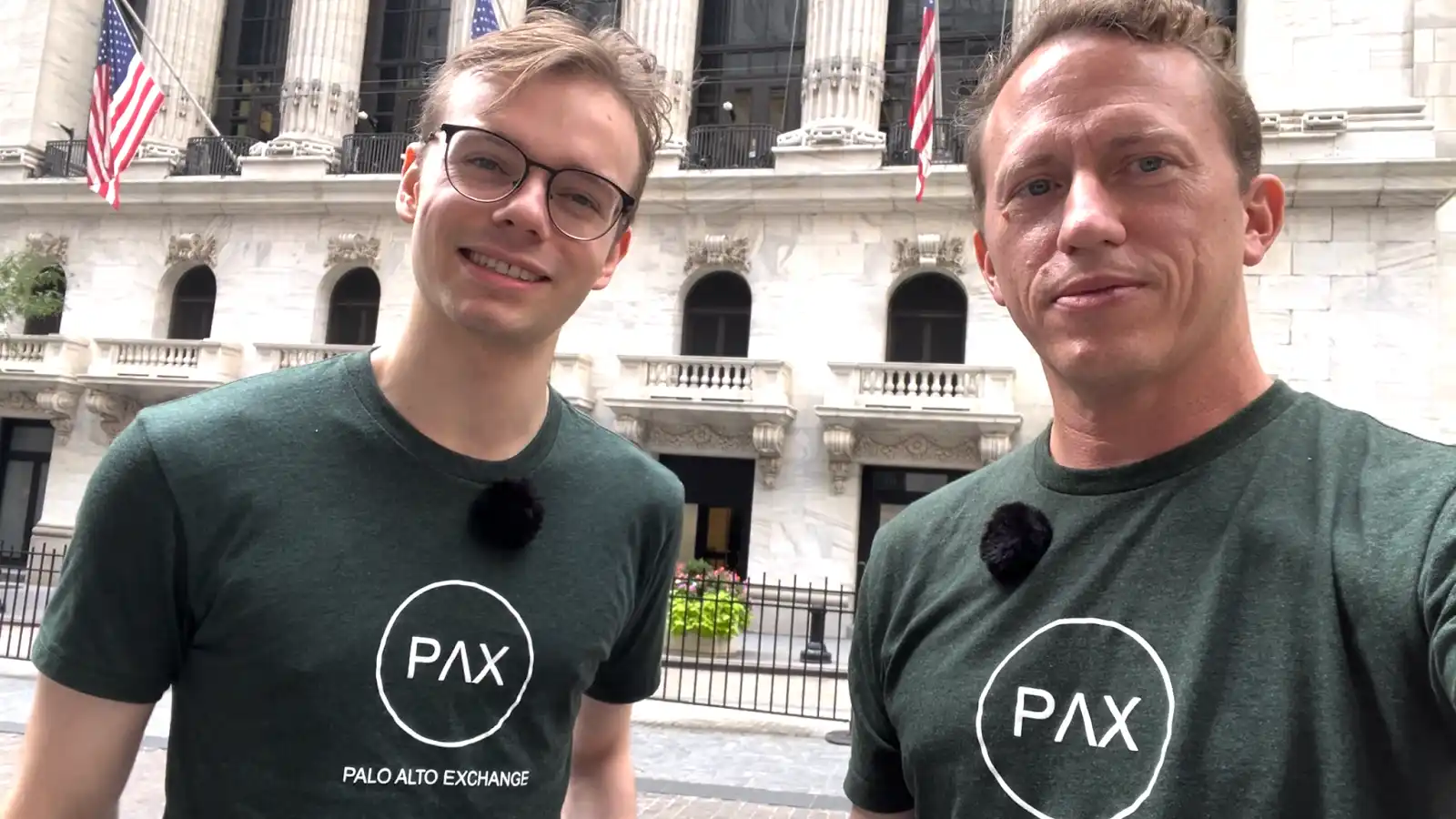
PAX Markets
PAX is the world's first global capital market cryptocurrency trading platform that adopts a single-chip architecture instead of a traditional data center. By shortening the distance of the trading servers to the nanometer level, PAX has achieved unprecedented transaction speed. This technological advantage creates immense value for high-frequency trading clients and benefits all participants through zero transaction fees per trade plus a cashback mechanism.

The current fastest trading platforms have a round-trip latency of 30 microseconds, which PAX has compressed to 30 nanoseconds (almost 1000 times faster). The λ API allows participants to submit orders in response to market events, including canceling orders after a block trade due to a price drop and placing market orders based on events from different assets using local or remote market data.
PAX co-founders Pete Stevenson and Benjamin Kilimnik have years of experience in high-frequency trading, covering both the crypto and traditional markets.
Axiom
Axiom is a decentralized finance trading platform that currently offers meme coins, perpetual contracts, and yield products. According to official data, the platform has achieved a monthly recurring revenue of $10 million and a monthly net profit of $5 million since its launch.
The founding team consists of two individuals. Henry previously worked on ad-generated AI at TikTok, completed his studies within two years, and founded two startups, one of which had a successful exit. Preston interned at Doordash, studied EECS at the University of California, Berkeley, and successfully exited a company he founded during his undergraduate years.
You may also like

Morning News | CME Group launches Nasdaq Cryptocurrency Index futures; Asset management giant Janus Henderson strategically invests in Ethena

Bitcoin Layer 2 Network Botanix: Why Did We Choose to Dissolve?

Why did Oracle deliver the strongest financial report in history, yet its stock price fell?
When the P2P illicit funds from ten years ago turned into 60,000 bitcoins

Dialogue with OmenX Founder: Why does the prediction market need an evolution from "spot" to "derivatives"?
Galaxy in-depth report: Is Solana still worth paying attention to?

Young people in South Korea make a "final effort" in the epic bull market

The pricing controversy of Trade.xyz exposes the fatal weakness of Pre-IPO perpetual contracts

How much longer can Ethereum's last big buyer hold on?

World Cup 2026 Coming – WEEX Celebrates with $1M Prize Pool & Michael Owen Live

Morning Report | OpenAI has submitted an S-1 registration statement draft to the U.S. SEC; Morpho completes $175 million financing

Galaxy Deep Research Report: How Hyperliquid's HIP-4 Upgrade Changes the Landscape of Prediction Markets?

Latest research from 13 top universities including Cornell University: The current state, challenges, and misconceptions of the fusion of Crypto and AI

Deconstructing Anthropic: The Best AI Company, Possibly Also a Type of Organizational Invention

Every exchange is a "Universal Exchange."

The counterattack of traditional finance: Alliance chains are quietly reviving
Pantera Capital Partner: How Tokenization is Restructuring the Private Equity and Early Investment Ecosystem?

Mastercard Launches Agent Pay for AI, Plans to Record AI Agent Payment Authorizations on Polygon
Mastercard launched Agent Pay for AI, a new payment protocol designed to help AI agents make small payments such as pay-per-use access to data and APIs. The system plans to record human-granted AI agent permissions on Polygon, focusing on verifiable authorization, identity, and payment controls.
Morning News | CME Group launches Nasdaq Cryptocurrency Index futures; Asset management giant Janus Henderson strategically invests in Ethena
Bitcoin Layer 2 Network Botanix: Why Did We Choose to Dissolve?
Why did Oracle deliver the strongest financial report in history, yet its stock price fell?
When the P2P illicit funds from ten years ago turned into 60,000 bitcoins
Dialogue with OmenX Founder: Why does the prediction market need an evolution from "spot" to "derivatives"?
Galaxy in-depth report: Is Solana still worth paying attention to?


