
- Buy Crypto
- Markets
 Futures
- Spot
- Copy Trade
- Earn
- More
4 Years of Web3 Entrepreneurship: 7 Key Takeaways

Original Article Title: Mistakes to avoid while building in consumer crypto
Original Article Author: Rishabh Gupta, Crypto Researcher
Original Article Translation: Jiahuan, ChainCatcher
As a budding founder, I've spent years on 3 ultimately failed infrastructure layer projects. In 2025, I started building a consumer-grade product people actually want to use. Here, I share my lessons learned in user acquisition and fundraising through painful experiences.
I've been in this industry for about 4 years.
In 2023, when "account abstraction" was all the rage in the community, I began developing in the EVM ecosystem. Everyone was building SDKs for account abstraction wallets back then. Rollup scaling solutions were also hot—Optimism, Arbitrum, and various Rollup as a Service (RaaS) took the lead.
As a math enthusiast, I was deeply drawn to ZK (Zero Knowledge), believing it would change the world (I am still convinced it will).
I used to think: Complexity == Credibility.
When VCs asked about use cases, I would confidently list zkML (Zero Knowledge Machine Learning), zk Identity, zk Voting—but to this day, these areas are still not widely adopted. I mistook awe-inspiring technology for useful products.
Over time, I came to believe that the more complex an idea, the greater its chances of success. VCs also told me that in crypto, building infrastructure is the only path to success.
It took me nearly 2 years and over 500 rejections to realize this wasn't for me.
Entering the Solana Ecosystem
For me, this was a whole new ecosystem—where people care about use cases. Even meme coins are okay here because revenue matters.
Speed matters. Distribution matters.
Having built on Solana for consumer applications for 7 months, here are my insights:
1. Build for the Early Adopter Young User
Designed to appeal to those who are naturally inclined to adopt new products. In the consumer crypto space, this typically means individuals who are comfortable making transactions "in the trenches" or young users aged 13-21.
A 2024 Consumer Technology Association study found that 86% of Gen Z (ages 11-26) believe that technology is at the core of life — a higher proportion than any older generation. They own more devices and are more willing to spend on tech products. They are more open to trying new apps, experimenting with new features, and changing habits.
Users above 25 are generally less willing to adopt new operational processes unless there is a very strong incentive. (Note: This may not apply if you are in the institutional business.)
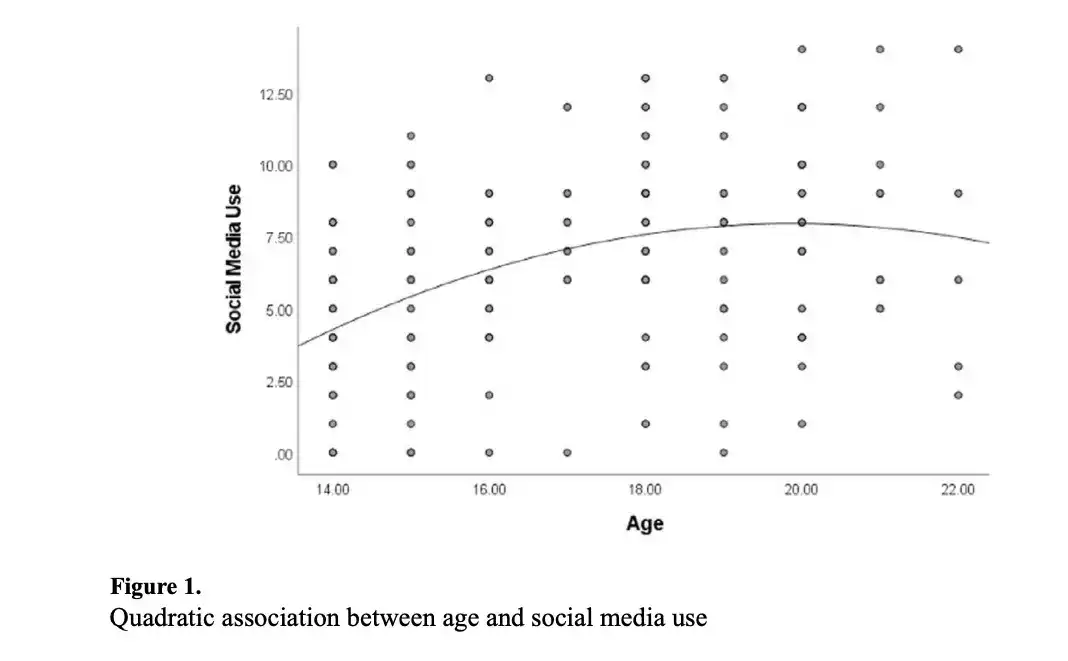
Research shows that social activity peaks around age 20-21. This means products built for young people inherently have higher virality.
2. Build Virality into the Product to Reduce Marketing Costs
If you don't have a huge marketing or advertising budget, the product itself must be a traffic channel. In the crypto space, virality is particularly important because:
· KOL marketing is very expensive.
· Trust is very low.
· Everyone expects rewards or incentives.
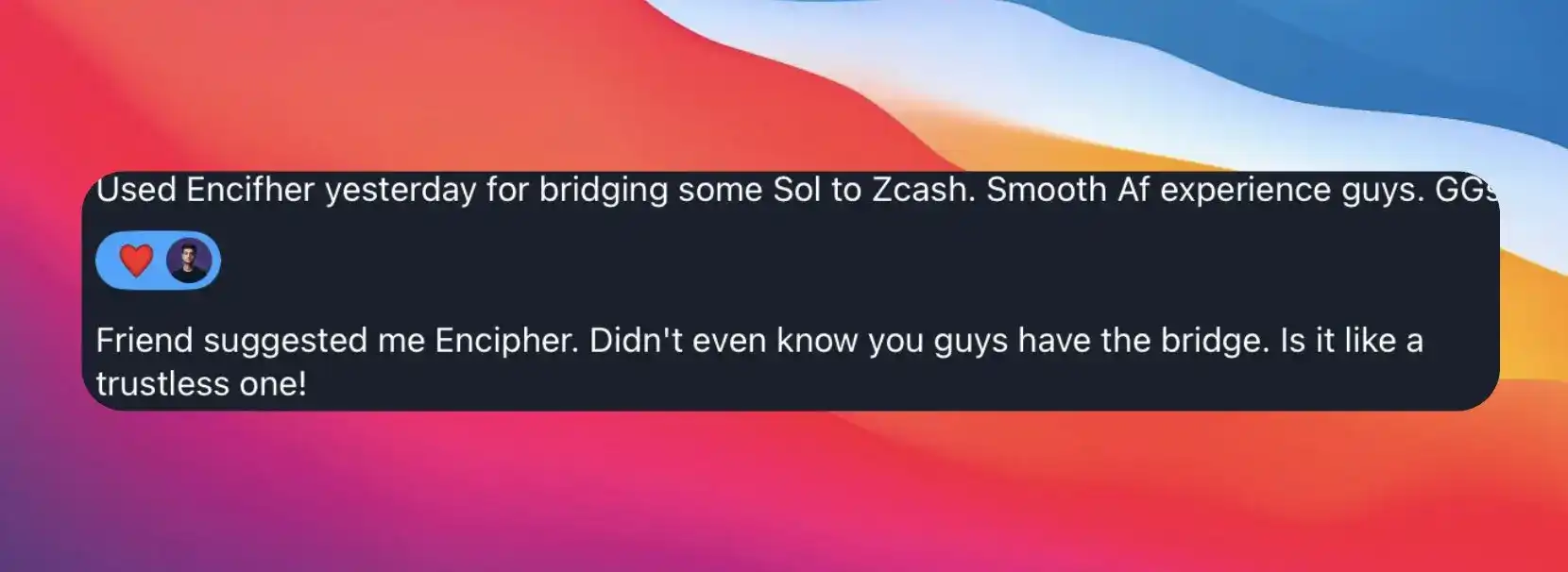
If your product gives users a reason to spontaneously share with friends or communities, you gain promotion without burning money. This is difficult but worth optimizing from day one.
3. Roll Out Requested Features ASAP
When users provide feedback about a poor experience or encounter bugs, fix them immediately, especially pain points that hinder usage. I used to wait until the end of the day to patch everything. Once, a user messaged me saying, "Since your app doesn't have this feature, I'll go use Y product first." Once users go to a competitor and form a habit, it's difficult to pull them back.
So, strive for immediate fixes (ideally within 2-5 hours). If multiple users request a feature and it's feasible:
· Deliver within 2-3 days.
· Tell them it has been rolled out based on their feedback.
· You can even offer them some rewards.
This will build deep trust. Users will start to feel like the product "belongs to them," and this sense of ownership is incredibly powerful in early-stage products.
4. The Application Name Is Extremely Important
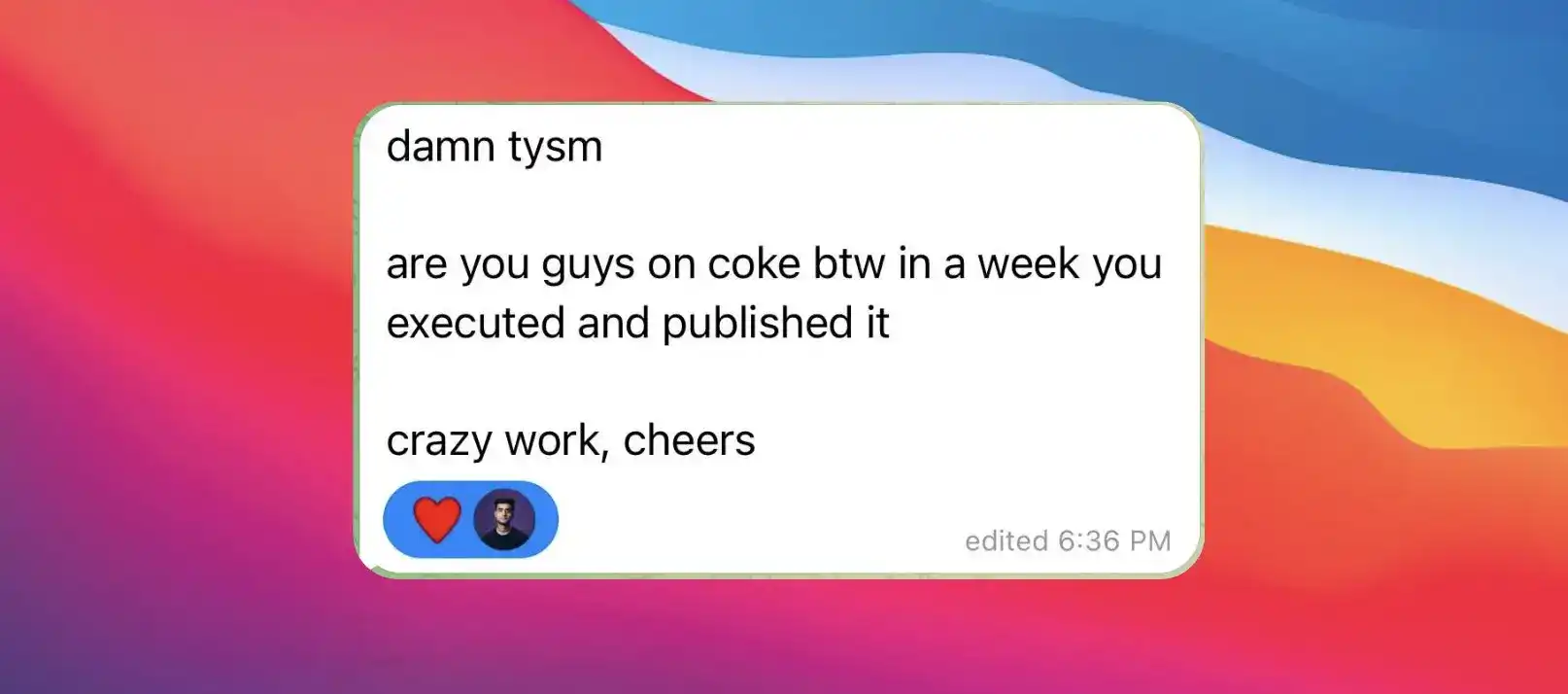
It may sound simple, but many people (including myself) have messed this up. The application name should be highly recognizable and easy to share verbally.
My previous product was called "Encifher," a name that was extremely hard to remember; even investors and partners would misspell it in group chats. So, we later rebranded it to encrypt.trade. It's concise, memorable, and appealing.
5. Communicating with Users Is Challenging But Necessary
Finding and talking to users is extremely difficult, especially when what you are building is not in the current "narrative of the moment." When I started working on privacy tech, it wasn't a trending topic. I reached out to nearly 1000 people through Cold Direct Messaging (Cold-DM): out of 100, maybe 10 would reply, and only 3-4 would provide substantial help.
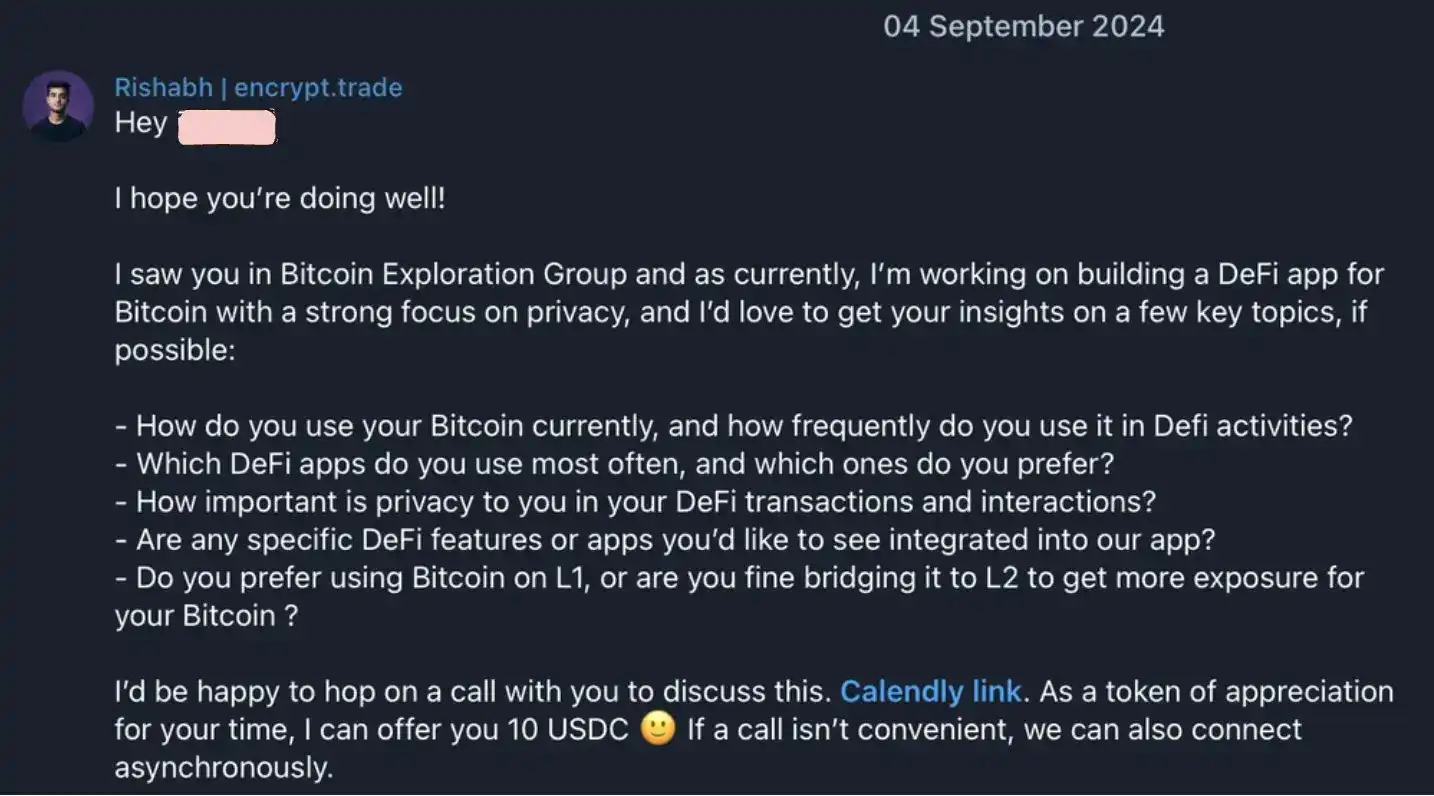
I talked to anyone showing even slight interest. I iterated on the product with them, and framing Cold-DM was also an iterative process. Here are some key points to keep in mind:
· Start with a warm greeting.
· Highlight key points (funding status, transaction volume, etc.) upfront.
· Mention where you found them.
· Give a friendly call to action.
· Always remember to follow up.
There's no perfect Cold-DM; you must A/B test to find what works effectively for your target audience. Here's a good Cold-DM template to use: but be aware, this process is slow and exhausting.
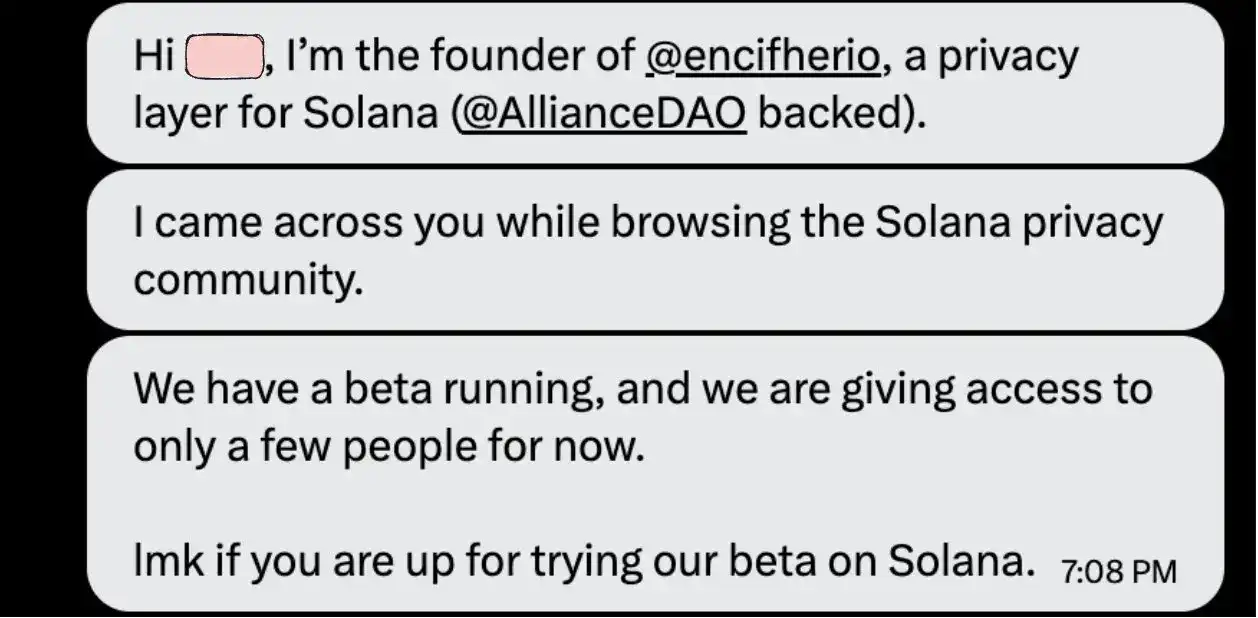
In the cryptocurrency space, few people reply to DMs because scams are rampant. A low reply rate is the norm (a bit discouraging, I know). Nevertheless, you must persist. Your goal at this stage is not to acquire 1000 users. Your goal is to find 10-20 early adopters who care about the problem, are willing to try the product, and will provide honest feedback.
These early users will become your support system. Early products often have flaws, and these users will help you get through that phase.
6. Rapid Iteration
The crypto industry is fast-paced, with an extremely short attention span. You must study user behavior rather than just listen to their language:
· What are they repeatedly doing?
· What kind of trade-offs are they making?
· What are they already willing to pay for? (Many ideas sound good, but if users are not willing to pay, it won't survive.)
7. Please make your website so simple it's "dumbed down."
Never make any assumptions about users' cognitive abilities. As a developer, what you've been staring at for hundreds of hours may seem obvious to you, but it's entirely unfamiliar to someone entering for the first time.
· Avoid introducing new terms or complex processes.
· Keep the number of clicks to a minimum.
· The core value should be evident within 5 seconds of entering the app.
Conclusion
Building consumer-grade crypto products is both fun and challenging. Iteration speed, user thinking, and marketing ability are more important than perfect technology. This is entirely different from B2B.
Original Article Link
You may also like

Trade to Earn Series IV: WEEX Launches Up to 40% Real-Time Futures Fee Rebates
Trade futures on WEEX and earn up to 40% real-time fee rebates. Trade to Earn Series IV lets you accumulate WXT rewards while reducing trading costs.
WEEX AI Hackathon Champions Crowned, Revealing Future of AI Trading
The first-ever WEEX AI Hackathon has concluded, with 10 winners emerging from over 200 global teams. Beyond its $1.8 million prize pool, the event marked a milestone—proving that the future of AI trading belongs to accessible, AI-powered innovation.

View: No Hype, No FUD, I Rate OpenClaw at 65 Points

Single-day Oil Price Plunge Exceeds 30%, Copilot Cowork Feature Launched, What Is the English-Speaking Community Talking About Today?

The Agent Spend Safely thing has already taken off

After the rise in the stablecoin's status, long-time partners Circle and Stripe vie for dominance
WEEX Trade to Earn: Turn Futures Trading into Instant WXT Rewards
Join WEEX Trade to Earn and earn instant WXT rebates on every futures trade. Boost rewards with referrals and tasks. Trade more, earn more on WEEX exchange.

Trading Everything, Never Closing: RWA Perpetual Contracts (Part 1)

Morning News | Nscale completes $2 billion Series C funding; 20 millionth Bitcoin has been mined; Polymarket will launch S&P 500 binary options products
Dialogue between Vitalik and Suji: Why have decentralized social products failed?

Trading Never Sleeps: On-Chain, Crude Oil, and Leverage

On-chain Yield Panorama: The Evolution from Interest-bearing Stablecoins to Crypto Credit Products

RootData announced the integration with OpenClaw, and these gameplay features have gone viral

Key Market Intelligence on March 9th, how much did you miss out on?

a16z: After AI Superpowers, Where to Next for Humanity?

Why Does Oil Go Up When Bitcoin Goes Down?

Decoding 112,000 Polymarket Addresses: The Top 1% Making Money Are Doing These Five Things
AAVE founder issues a warning: DeFi must never become the exit liquidity for Wall Street private credit
Trade to Earn Series IV: WEEX Launches Up to 40% Real-Time Futures Fee Rebates
Trade futures on WEEX and earn up to 40% real-time fee rebates. Trade to Earn Series IV lets you accumulate WXT rewards while reducing trading costs.
WEEX AI Hackathon Champions Crowned, Revealing Future of AI Trading
The first-ever WEEX AI Hackathon has concluded, with 10 winners emerging from over 200 global teams. Beyond its $1.8 million prize pool, the event marked a milestone—proving that the future of AI trading belongs to accessible, AI-powered innovation.


 App
App